
AUGUST 26.
Made with love. Cavatelli & lemon meringue.

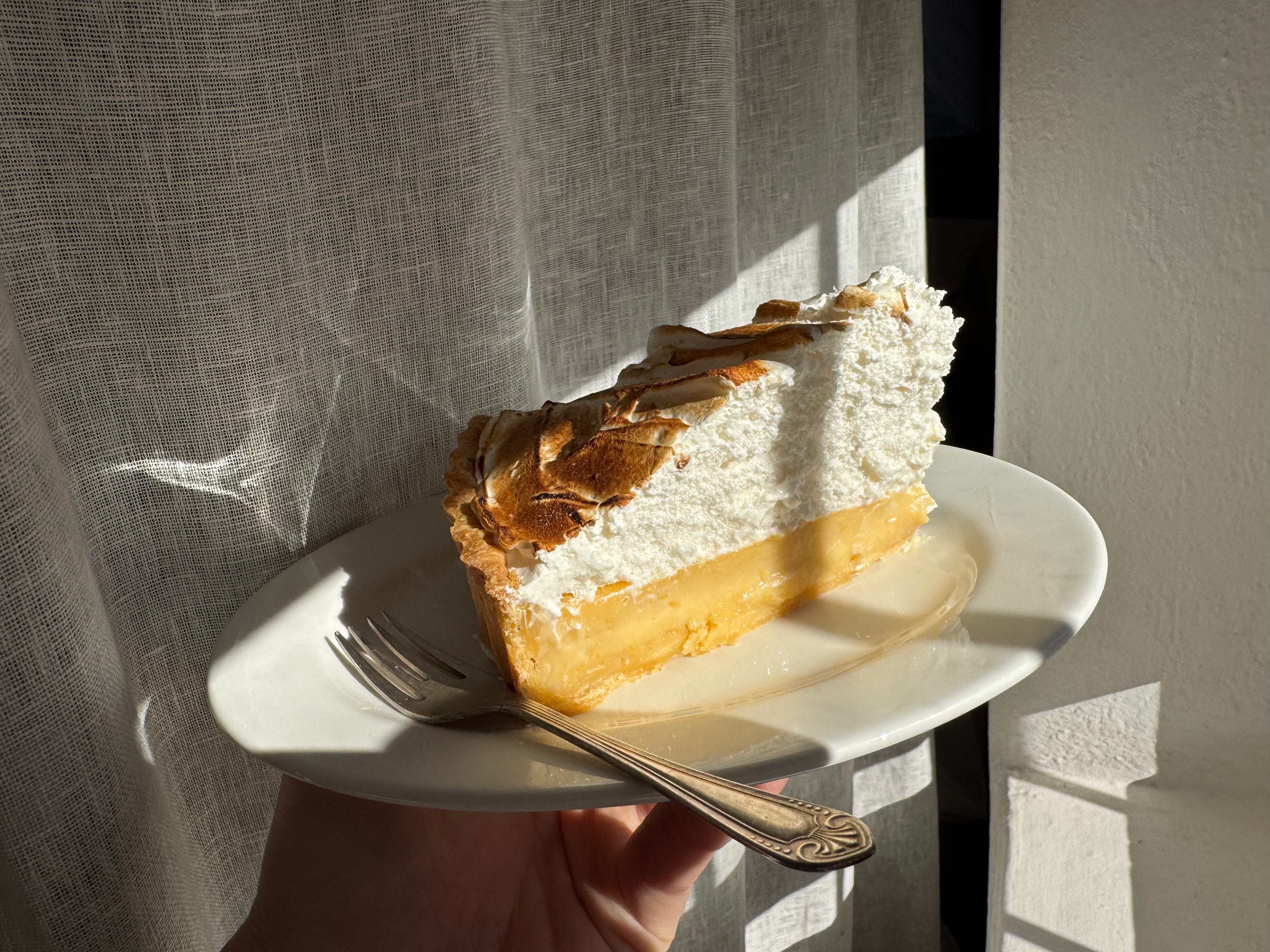
They say emotions are contagious. Misery loves company. Like attracts like. You are the company you keep. Every culture seems to have found its own way of explaining the invisible current that passes between us, the one that can lift a room or flatten it before anyone has uttered a word. Some people are acutely tuned into it, others seem to barrel through life blissfully oblivious, but either way, we’re all absorbing something.
Which has me wondering whether food does the same.
I’ve been thinking a lot lately about whether food tastes different when it’s prepared with love. Not in the sentimental sense, but in the intangible one. The sort of love that reveals itself in tiny acts of care. Someone making you a cup of tea before you’ve realised you’re thirsty. A cheese sandwich cut into neat fingers because that’s how you’ve always liked it. Soup left quietly at your door when you’re sick. None of these things are remarkable on paper, yet somehow they become unforgettable.
I’ve eaten dinners that cost more than my weekly grocery bill. The room is impossibly chic, everyone speaks in hushed voices and the wine arrives with a story longer than the menu. You leave feeling terribly sophisticated, perhaps even a touch insufferable, but not necessarily fulfilled. I’ve also stood at the stove in a foul mood and found my dinner tasting even fouler. Such is life.
Then there are the meals that linger for entirely different reasons. A bowl of pasta cooked by a friend who knows you’ve had a difficult week. Even the bowl of pasta you make for yourself when you decide to be an adult and really look after yourself. Toast eaten standing in a kitchen at midnight. Tomatoes still warm from the garden with nothing more than olive oil and salt. By most measures they shouldn’t compete with the expensive dinner, yet they stay with you for years.
Perhaps flavour has never belonged solely to butter, salt and acid. Perhaps the people around the table become another ingredient altogether. Maybe that’s why the meals we remember most are rarely the most elaborate. They’re the ones that arrived at exactly the right moment, from exactly the right hands. The most important ingredient is something made with love.
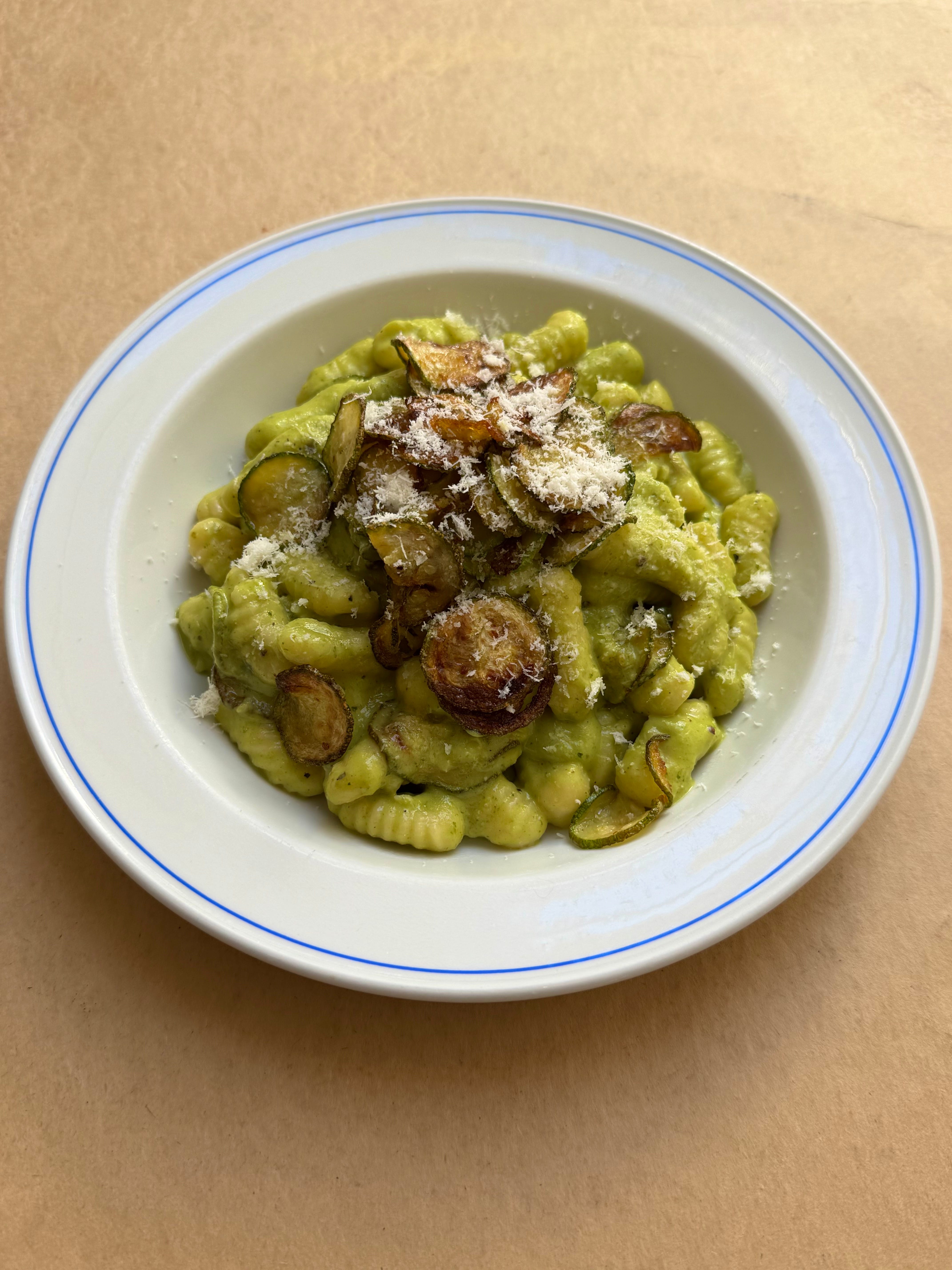
Cavatelli with zucchini, lemon & parmigiano.
For the cavatelli:
200g semolina flour, plus extra for rolling
100ml warm water
500g zucchini, sliced into thin rounds on a mandolin (or skillfully with a knife)
4 tablespoons extra virgin olive oil
3 cloves garlic, finely sliced
⅓ cup dry white wine
⅓ cup chicken stock
30g parmigiano, finely grated
15g pecorino romano, finely grated
Handful of fresh parsley
Zest of one lemon
20g cold salted butter
Plenty of freshly cracked black pepper and sea salt flakes
Sharp extra virgin olive oil to serve
Start by making the pasta dough. Pour the semolina flour into a medium sized mixing bowl and make a well in the centre. Pour in the warm water into the centre and use a fork to bring together, forming a rough dough. Tip onto a clean work surface and then use your hand to form into a ball. Knead for 10 minutes or so, or until the pasta is smooth and silky. Wrap in a piece of cling film and rest at room temperature for 15 minutes.
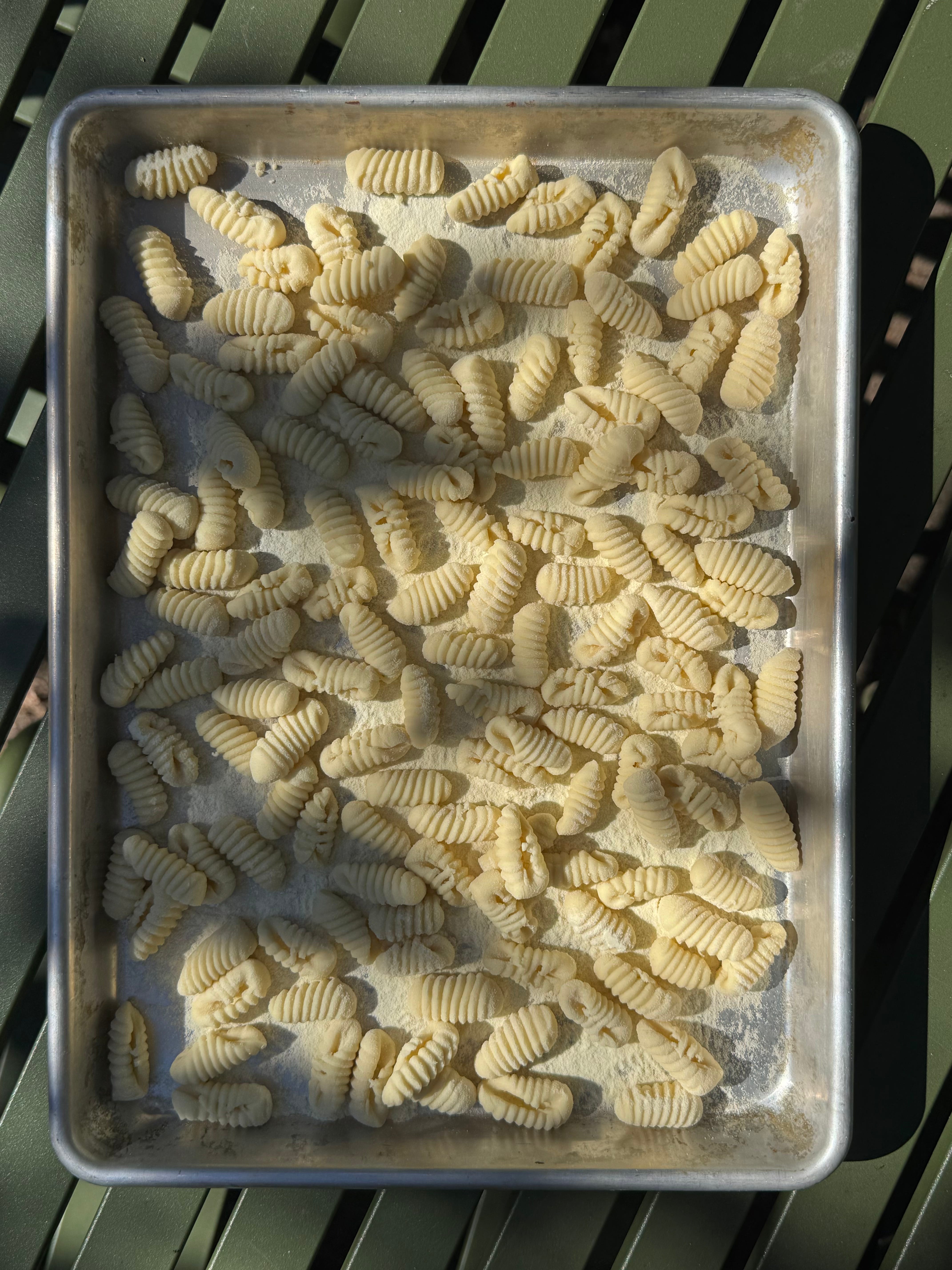
Cut the dough into six. Dust a little semolina flour over the bench and roll each segment into a 2cm thick sausage. Cut into 2cm pieces and roll on a gnocchi board or over the back of a fork. There are lots of great tutorials on how to roll the cavatelli on Youtube or Instagram. Dust a tray with extra semolina flour and place all of the cavatelli on top as you roll.
Pop a large pot of salted water on to boil for the pasta.
In a large frying pan, heat the oil over a medium high heat. Fry half of the zucchini, frequently tending to until golden. Drain the first half onto a paper towel. Add the second half, cooking until golden. Add the garlic, allowing to fry for a minute or so until fragrant. Add the wine, simmering for 2 minutes to allow the alcohol to cook out. Add the stock and simmer for a further 5 minutes. Transfer to a high powered blender and add the cheeses, parsley and a little salt. Blend until super smooth and then pour back into the frying pan. Check for salt and add a good amount of pepper.
Cook the pasta for 2 minutes or so (they will float) and then add to the sauce. Heat over a medium heat, tossing vigorously to emulsify. Add a ladle of the pasta water, the lemon zest and the butter, mixing really well. The sauce should be smooth and really creamy, coating every piece of cavatelli. Divide between two bowls, topping with the additional fried zucchini and a little drizzle of extra virgin olive oil.
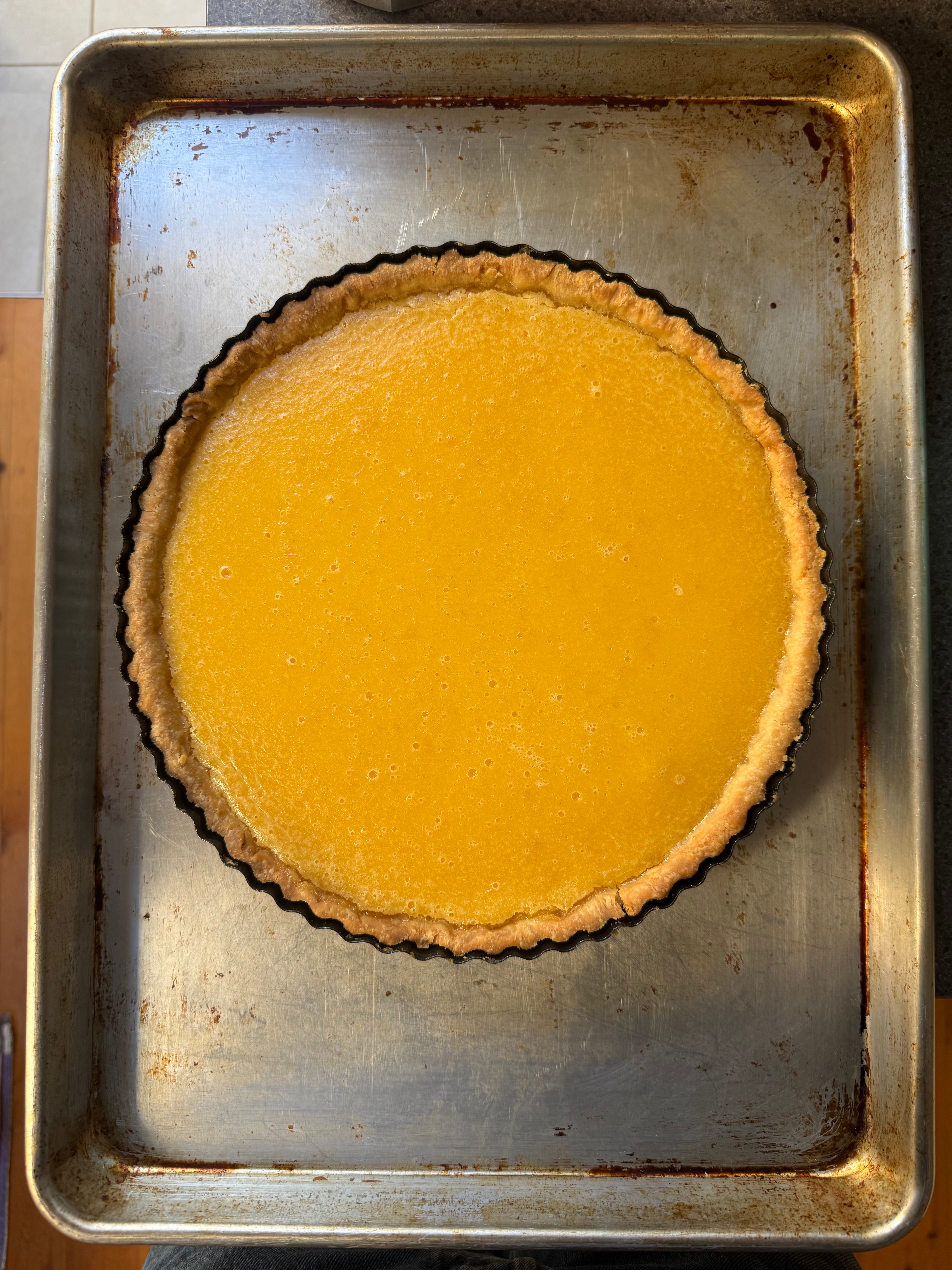
Lemon meringue tart.
For the pastry:
235g plain flour
50g icing sugar, sifted
Pinch of salt
1 teaspoon vanilla extract
115g unsalted butter, cubed
4 egg yolks
For the lemon filling:
170g caster sugar
30g plain flour
3 eggs
3 egg yolks
250ml heavy cream
1 teaspoon vanilla extract
Zest of 3 lemons, preferably unwaxed
250g lemon juice
For the meringue:
4 egg whites
1 cup caster sugar
½ cup water
1 teaspoon vanilla bean paste
For the pastry, add the flour, salt and sugar to a food processor and pulse to combine. Add the butter and vanilla, pulsing until the mixture resembles coarse sand. Add the egg yolks and pulse again until a rough dough comes together. Turn onto a lightly floured bench and bring it together with your hands. Form into a disc and wrap in plastic wrap. Refrigerate for an hour.
Roll the dough out to around 3mm in thickness on either a floured bench or even easier, between two pieces of baking paper. Drape over a 25cm fluted tart tin with a removable base and then gently press into all of the edges. Run a rolling pin over the top to cut off the excess dough. Prick the base with a fork, evenly, to stop air bubbles from forming. Place the whole tin into the freezer for 30 minutes.
Preheat the oven to 160C. Place the tart shell onto a baking tray and then scrunch a piece of baking paper into a ball and unravel it. Line the top of the pastry with the paper and fill with baking beads or dried rice or beans. Bake for 20 minutes. Remove the paper and the baking beads and bake for a further 5 minutes. Leave to cool at room temperature. Lower the oven to 140C.
For the filling, whisk together the eggs, egg yolks, cream and vanilla until well combined. Add the caster sugar and flour and whisk again to combine. Allow this to sit for 10 minutes, giving the bowl a good tap on the bench to allow the air bubbles to rise. Skim off any bubbles with a spoon and discard.
Pour this egg mix through a sieve and then stir in the lemon zest and juice, quickly to avoid the mixture curdling. Pour into the tart shell and gently place into the oven. Bake for 40-45 minutes. The tart filling should still have a wobble to it when you jiggle the tray.
Allow to cool completely at room temperature and then overnight in the fridge.
The next day, make the meringue. Add the sugar and water to a medium saucepan and set over a medium heat. Simmer the syrup, slowly bringing to the boil. If sugar crystals form on the sides of the pan, brush them down with a wet pastry brush. Cook the syrup until it reaches around 120C. In the bowl of an electric mixer, whisk the egg whites on a medium speed until soft peaks form.
Pour the sugar syrup into the egg whites, with the motor running, in one steady stream. Increase the speed to high and whip for 10 minutes until smooth and glossy.
Pipe or dollop on top of the tart and then caramelise with a blowtorch. Your tart is ready to enjoy!
Thank you for reading!
And for listening, here is this month’s playlist.
Sian x